
Understanding the allure of gambling
The attraction to gambling is multi-faceted, deeply rooted in psychological mechanisms that appeal to our innate desire for reward. The thrill associated with the possibility of winning large sums of money creates a rush, often described as an adrenaline high. This excitement can become a powerful motivating factor, leading individuals to engage repeatedly in gambling activities, sometimes despite negative consequences. Players seeking to maximize their chances might explore online casino real money nz options that offer various games, promotions, and features designed to enhance their experience. The anticipation of a win can ignite optimism, pushing gamblers to believe that fortune is just one bet away. This cognitive bias, known as the ‘near-miss effect’, can intensify the desire to gamble, as players feel that they are close to a win, prompting them to continue betting in hopes of achieving success.
Moreover, gambling often incorporates elements of skill and strategy, which can further enhance its appeal. Players may believe they can improve their chances of winning through knowledge or techniques, a mindset that can lead to the phenomenon known as the ‘illusion of control.’ Even in games predominantly based on luck, such as slots, the perceived ability to influence outcomes can draw players in. This psychological need for mastery can lead individuals to gamble more often, as they seek that rare moment of success where skill seems to align with chance. This interplay of skill and luck can create a compelling narrative that keeps players engaged, often leading them to underestimate the risks involved.
Social dynamics also play a crucial role in the allure of gambling. Many find that gambling can be a communal activity, experienced in groups that foster a sense of belonging and camaraderie. This social aspect can reinforce gambling behaviors, as individuals are often encouraged by friends or family to participate. The narratives and stories shared about past wins or near-misses create an environment where the excitement of gambling is collectively celebrated, further entrenching the behavior within social contexts. Furthermore, the social reinforcement of gambling behaviors can create a feedback loop, where positive experiences in a group setting lead to increased gambling activity among peers, making it a normalized behavior in certain social circles.
The psychology of risk-taking
At the core of gambling behavior is the notion of risk-taking, a psychological trait that varies significantly among individuals. Some people are naturally predisposed to seek out thrilling experiences, while others may be more risk-averse. Those who embrace risk may find gambling to be an exhilarating arena to express and explore their need for adventure. The emotional and physiological responses associated with risk-taking can provide a burst of euphoria that becomes increasingly addictive, making it challenging for some individuals to walk away from the table. This thrill-seeking behavior can lead to a cycle where the need for excitement outweighs the rational assessment of potential losses.
Cognitive biases also heavily influence how individuals perceive risk in gambling scenarios. For instance, the gambler’s fallacy can lead someone to believe that their chances of winning will increase based on previous losses, despite each gamble being an independent event. This misjudgment creates a cycle of increased betting, where individuals chase their losses, believing that a win is just around the corner. Such cognitive distortions contribute to a flawed understanding of probability, perpetuating gambling behavior even when the odds are stacked against them. This pattern can lead to significant financial and emotional distress, as individuals invest more resources in an attempt to recover losses.
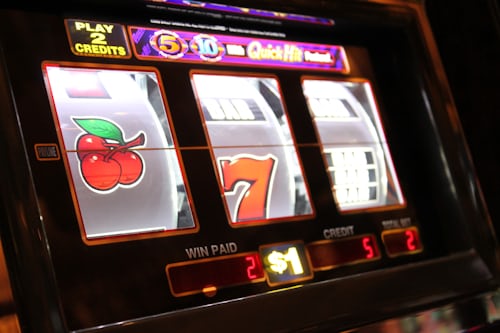
Additionally, the role of emotions in decision-making cannot be overlooked. Factors such as stress, anxiety, or even boredom can prompt individuals to engage in riskier behaviors, including gambling. When emotions run high, the drive to seek an escape or distraction can morph into compulsive gambling. This demonstrates the complex interplay between psychological states, emotional regulation, and gambling behavior, illustrating why some individuals might consistently find themselves returning to risk-laden environments looking for solace. The emotional highs and lows associated with gambling can create a rollercoaster experience, making it difficult for individuals to recognize the negative impact on their lives.
The impact of rewards and reinforcement
The psychology behind gambling is significantly shaped by the principles of reward and reinforcement. When players experience a win, whether large or small, their brain releases dopamine, a neurotransmitter associated with pleasure and reward. This rush reinforces the behavior, making it more likely that the individual will gamble again in pursuit of that euphoric feeling. Even minimal wins can create a sense of accomplishment that fosters a cycle of gambling, encouraging players to believe that they can replicate their success. This reinforcement is particularly potent in environments designed to maximize excitement, such as casinos, where flashing lights and sounds create an immersive experience that heightens the emotional stakes.
Furthermore, the structure of many gambling games is intentionally designed to enhance this reinforcement loop. For example, near-miss outcomes can evoke strong emotional responses, leading players to continue playing in hopes of achieving a true win. This psychological tactic takes advantage of cognitive and emotional biases, wherein individuals overlook the reality of losing and focus instead on the tantalizing possibility of hitting the jackpot. Such reinforcement strategies can promote a continuous cycle of engagement, often overshadowing the potential for financial harm. The expectation of future rewards can overshadow the rational assessment of the risks involved, making it harder for individuals to step away.
The timing and frequency of rewards also play a vital role in gambling behavior. Variable reinforcement schedules, where wins occur unpredictably, can lead to heightened excitement and anticipation. This unpredictability can intensify the compulsion to gamble, as players may find themselves repeating behaviors, convinced that their next bet will finally yield a significant reward. This psychological conditioning can be seen not only in casinos but also in online gambling platforms, where instant feedback and engagement further reinforce the gambling loop. The combination of immediate gratification and the thrill of potential wins can make it increasingly difficult for individuals to resist the urge to gamble.
Identifying problem gambling behaviors
Understanding the psychology of gambling also involves recognizing the signs of problematic gambling behavior. Many individuals may start with casual gambling but may soon find themselves unable to control their impulses, leading to significant emotional and financial distress. Key indicators of problem gambling include preoccupation with gambling, a need to gamble with increasing amounts of money, and unsuccessful attempts to cut back or stop. These behaviors often stem from underlying psychological issues, such as anxiety, depression, or low self-esteem, that can be exacerbated by gambling. The interplay between these factors can create a perfect storm for compulsive gambling, where the individual feels trapped in a cycle of behavior that is hard to break.
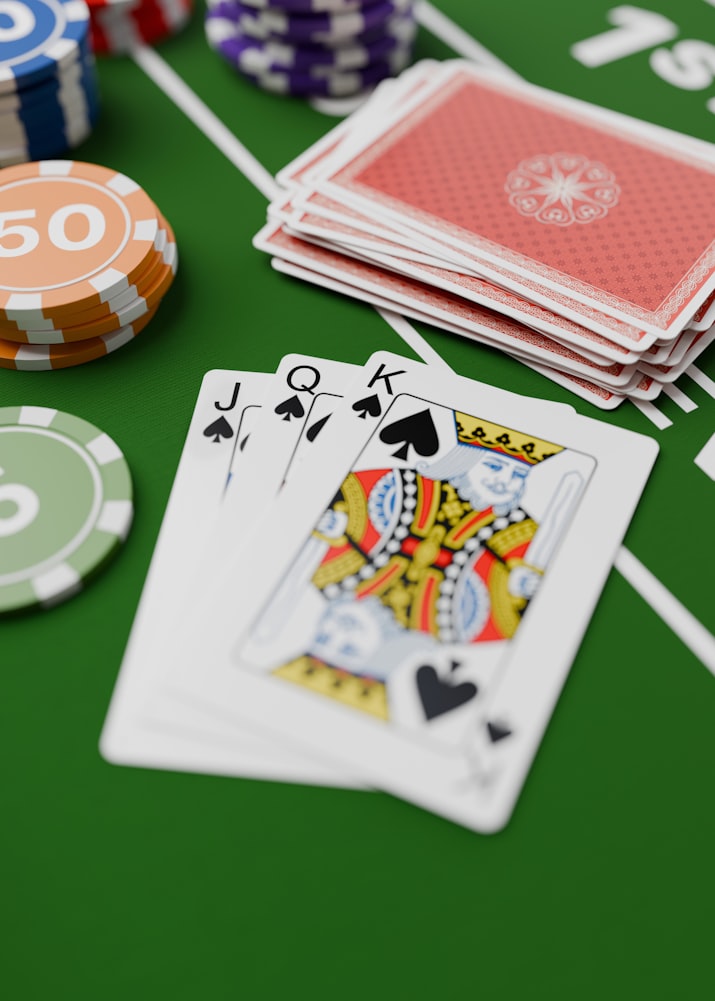
The social stigma surrounding gambling can further complicate the issue, leading individuals to hide their behaviors or struggle to seek help. The isolation often felt by problem gamblers can intensify their reliance on gambling as an escape from real-world issues, creating a vicious cycle that can be challenging to break. Awareness and education about these behaviors are critical in promoting healthier attitudes toward gambling and encouraging those in need to pursue help. By fostering an environment that supports open discussions about gambling, individuals may feel more comfortable addressing their challenges and seeking the necessary support.
Various approaches to treatment and recovery exist, focusing on both psychological and behavioral strategies. Cognitive-behavioral therapy (CBT) has been shown to be effective in addressing the cognitive distortions that underlie gambling behaviors, helping individuals reframe their thoughts and develop healthier coping mechanisms. Support groups and resources can also provide a safe space for individuals to share their experiences, reducing feelings of isolation and promoting accountability as they work towards recovery. These strategies emphasize the importance of understanding the psychological underpinnings of gambling behavior and the need for comprehensive support systems.
Exploring resources for responsible gambling
Numerous resources are available for individuals seeking to understand their gambling behavior and promote responsible practices. Many organizations offer educational materials, support networks, and counseling services that focus on responsible gambling. For instance, some online platforms provide tools for setting limits on spending, tracking gambling habits, and promoting self-exclusion options for those who recognize their behavior is becoming problematic. These resources empower individuals to take control of their gambling activities and make informed decisions about their participation.
Additionally, creating awareness about the psychological aspects of gambling can empower individuals. Understanding the factors that drive behavior can lead to better self-regulation and informed decisions. Gamblers can benefit from learning about the odds of games, recognizing cognitive biases, and understanding the significance of emotional states in decision-making processes. These insights can help individuals approach gambling with a healthier mindset and avoid the pitfalls of developing problematic gambling behaviors. Educational initiatives aimed at increasing awareness can play a pivotal role in fostering a culture of responsibility and informed decision-making.
In conclusion, responsible gambling practices hinge on education, awareness, and support. By equipping individuals with the necessary tools and understanding, the gambling environment can become safer and more enjoyable. Encouraging open discussions about gambling behaviors and their psychological underpinnings can contribute to a culture of accountability, where responsible gambling is prioritized, and help is readily accessible to those in need. The combination of personal responsibility and community support can create a healthier gambling landscape, reducing the incidence of problem gambling and promoting sustainable enjoyment of gaming activities.